 International Private School of Technology المدرسة الدولية الخاصة للتكنولوجيا Private School مدرسة خاصة للتكوين المهني


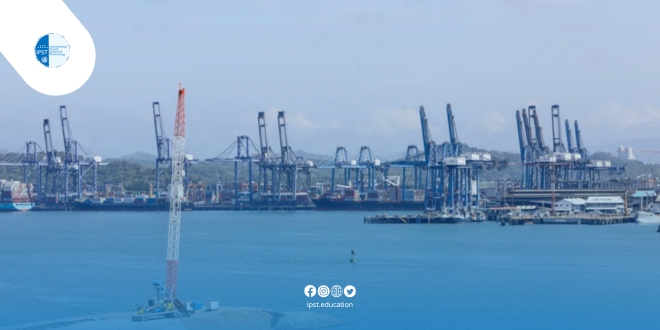
CK Hutchison Sells Panama Canal Ports to BlackRock-Led Consortium for $23 Billion
In a major deal, Hong Kong-based CK Hutchison Group has agreed to sell its controlling stake in its subsidiary managing ports near the Panama Canal to a consortium led by the American investment firm BlackRock. The transaction is valued at around $23 billion, including $5 billion in debt, marking a significant shift in control over global trade infrastructure and raising geopolitical questions about U.S. influence over this vital shipping route.
Deal Details
The deal, announced on Tuesday evening, will transfer full ownership of Hutchison Port Holdings and Hutchison Port-Group Holdings to the BlackRock-led consortium. This consortium will gain control over 43 ports in 23 countries, including critical facilities at the Panama Canal, such as the Balboa and Cristobal ports, as well as other ports in Mexico, the Netherlands, Egypt, Australia, and Pakistan.
What the Deal Does Not Include
The deal does not include any stakes in a fund managing ports in Hong Kong, Shenzhen, southern China, or other ports in China. However, the deal still requires approval from the Panamanian government before it can proceed.
The Importance of the Panama Canal to U.S. Interests
The Panama Canal is a vital hub for maritime traffic, with approximately 70% of the maritime trade moving to or from U.S. ports passing through it. This makes the canal an essential asset for U.S. economic and national security interests.
Geopolitical Tensions Surrounding the Canal
The Panama Canal has long been considered a strategic asset, originally built by the United States in the early 20th century to provide a shortcut for military and commercial ships between the Pacific and Atlantic Oceans. Although the U.S. relinquished control of the canal in 1999 under a treaty with Panama, concerns about China’s influence over the canal’s operations have persisted, particularly during the administration of former President Donald Trump. Trump and his supporters expressed concerns that China might control operations at the canal, a claim that the Panamanian government has strongly denied.
U.S. Concerns: Threats and Geopolitical Struggles
In January, U.S. Senator Ted Cruz voiced concerns that China might block or disrupt passage through the canal, arguing that China’s presence at key ports could serve as a strategic point for monitoring U.S. maritime activities.
U.S. Diplomatic Pressure and Panama’s Response
In February, U.S. Secretary of State Marco Rubio visited Panama, urging the country to reduce Chinese influence over the canal or face potential U.S. repercussions. In response, Panama withdrew from China’s Belt and Road Initiative, a global infrastructure strategy aimed at enhancing economic ties through investment in roads, ports, and railways.
Details of the Sale Process
Hutchison Ports had recently secured a 25-year extension to manage the ports without a competitive bidding process, but this extension had been under scrutiny. Reports began circulating in recent weeks that an American company with close ties to the White House might be preparing to take over the operations.
Frank Sykes, co-managing director of CK Hutchison, stated that the sale resulted from “a rapid and separate yet competitive process,” emphasizing that the deal was strictly a business decision unrelated to the political developments surrounding Panama’s ports.
The Consortium and Its Impact on Global Infrastructure
In addition to BlackRock, the global investment firm based in New York with $11.6 trillion in assets under management, the consortium includes Global Infrastructure Partners and Terminal Investment Limited. This deal further expands BlackRock’s presence in the global infrastructure sector.
Conclusion
The sale of Panama Canal ports to the BlackRock-led consortium marks a major shift in control over global infrastructure, particularly in a region of strategic geopolitical importance. With Panama’s approval still pending, this deal underscores the growing influence of American companies in managing critical global trade assets.
Sources: