 International Private School of Technology المدرسة الدولية الخاصة للتكنولوجيا Private School مدرسة خاصة للتكوين المهني


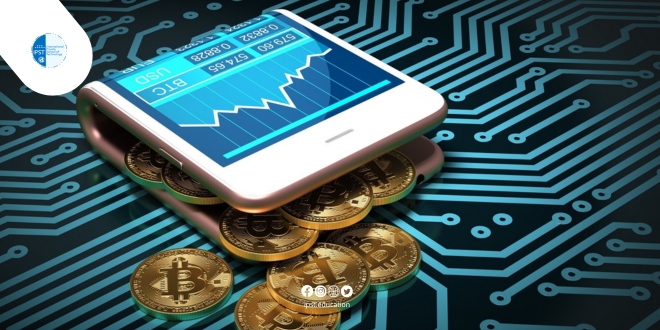
In recent years, digital wallets have become an essential part of our daily lives, providing a secure and efficient way to store and manage cryptocurrencies. With the growing interest in digital currencies in 2026, it’s important to understand how to create a secure digital wallet. In this article, we will guide you through the essential steps to set up a secure digital wallet and ensure your digital assets are protected.
1. Choose the Right Type of Digital Wallet
The first step in creating a secure digital wallet is selecting the appropriate type of wallet. There are two main types of digital wallets:
- Hot Wallet: These wallets are connected to the internet and are used for daily transactions. They include online platforms and apps like MetaMask and Coinbase Wallet.
- Cold Wallet: These are offline wallets and are considered the most secure, as they prevent unauthorized access. Cold wallets include hardware devices like Ledger Nano S and Trezor.
Tip: If you plan to hold cryptocurrencies for the long term, it’s recommended to use a cold wallet to ensure maximum security.
2. Enable Two-Factor Authentication (2FA)
One of the most crucial steps to enhance the security of your digital wallet is enabling Two-Factor Authentication (2FA). This feature adds an extra layer of protection to your account, requiring you to enter a code sent to your phone or email alongside your regular password. Most cryptocurrency platforms, such as Binance and Coinbase, support this feature.
Tip: Don’t rely solely on passwords. Make sure to activate two-factor authentication on all your accounts to prevent unauthorized access.
3. Store Your Private Keys Securely
Private keys are one of the most sensitive elements in the world of cryptocurrencies, as losing them means losing access to your wallet. Ensure that your private keys are stored securely offline. You can use encrypted external storage devices like a USB drive or write down the keys and store them in a protected place.
Tip: Never store private keys on internet-connected devices or suspicious platforms.
4. Regularly Update Your Wallet Software
Updating your digital wallet software is vital to maintaining security. New updates may contain security patches that fix vulnerabilities in the wallet software. Always download updates from official sources to avoid potential threats.
Tip: Always check for updates on your digital wallet to prevent security risks from emerging.
5. Use Complex and Unique Passwords
A strong password is your first line of defense against attackers, so ensure that your password is strong and hard to guess. Avoid using simple or repeated passwords across different platforms. You can use a password manager to generate complex passwords and store them securely.
Tip: Use passwords with a combination of uppercase and lowercase letters, numbers, and symbols.
6. Beware of Phishing Attacks
Phishing attacks are one of the most common methods used to steal digital assets. Make sure you don’t click on suspicious links or enter your personal details on unreliable websites. Always check the website’s URL before entering any information.
Tip: If you receive emails requesting you to make a transaction or enter wallet details, always verify the source of the message.
7. Create Backups of Your Wallet
In case you lose your device or your wallet malfunctions, having backups of your private keys is crucial. Ensure that you keep a backup of your private keys in more than one secure location, such as encrypted hard drives or secure cloud storage.
Tip: Don’t store backups of your private keys in unencrypted locations or online.
8. Choose a Trusted Wallet
You should choose a digital wallet that has been reviewed by other users and meets high-security standards. Make sure the wallet you choose supports the cryptocurrencies you intend to store and provides robust security features.
Tip: Opt for well-known and reputable wallets like Exodus, Mycelium, or Ledger Nano S.
Conclusion
Protecting your digital assets is essential, especially as more people turn to cryptocurrencies in 2026. By selecting a secure wallet, enabling two-factor authentication, storing private keys safely, and staying vigilant against phishing attacks, you can ensure that your digital assets remain secure. Remember, in the world of digital currencies, security is your top priority.
What methods do you use to protect your digital wallet? Share your thoughts in the comments!
Sources:
- CoinTelegraph
- CryptoCompare
- Ledger
- Trezor