 International Private School of Technology المدرسة الدولية الخاصة للتكنولوجيا Private School مدرسة خاصة للتكوين المهني


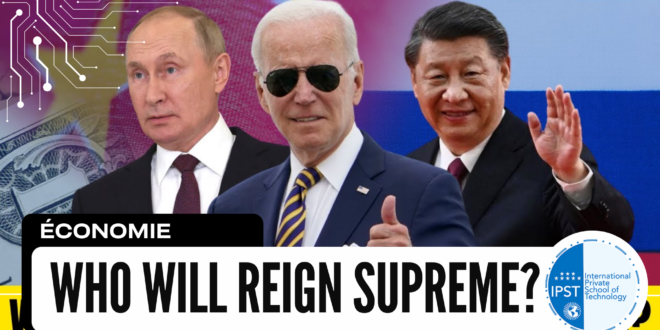
The global economic landscape in 2050 will be vastly different from today. The world’s economic powerhouses will no longer be defined solely by their size, military strength, or resource reserves. Instead, the key to global dominance will hinge on technological innovation, sustainability practices, and the ability to adapt to a rapidly changing global economy.
Key Drivers of Economic Power in 2050
By 2050, several factors will influence which countries become economic giants. The following drivers will play a significant role in shaping global economic dominance:
- Technological Innovation: Advancements in artificial intelligence (AI), blockchain, and quantum computing will transform industries. The countries that lead in these technologies will enjoy a substantial economic edge.
- Sustainability and Green Technologies: As the world increasingly focuses on combating climate change, nations investing in renewable energy, electric vehicles (EVs), and green infrastructure will hold economic power. By 2050, a country’s commitment to environmental sustainability will be a defining factor in its economic success.
- Global Trade and Digital Economies: The growth of digital economies and interconnected global markets will further shift economic power. Countries that embrace digital transformation, build smart cities, and strengthen their international trade relationships will rise to the top.
Predictions for Leading Economic Powers in 2050
1. China
China’s rise to dominance will continue through 2050. As the world’s largest population and an innovation hub, China will lead the global economy with advancements in AI, quantum computing, and robotics. Moreover, China’s investments in green energy will position it as a sustainability leader.
2. India
India’s rapidly growing tech industry, alongside its youthful population, will fuel its rise as an economic powerhouse by 2050. The country’s burgeoning digital economy, with advancements in fintech and artificial intelligence, will create new opportunities for growth, especially with its strong focus on education and innovation.
3. United States
Despite fierce competition, the U.S. will maintain its position as a leading economic force. With tech giants like Apple, Google, and Tesla, the U.S. will continue to innovate in fields such as space exploration, biotechnology, and artificial intelligence. The nation’s entrepreneurial culture and robust financial markets will solidify its global leadership.
4. European Union
Europe’s commitment to sustainability will play a key role in its economic power by 2050. The EU’s investments in renewable energy, green infrastructure, and climate change mitigation efforts will give it an edge. Countries like Germany, France, and the Netherlands are well-positioned to lead the world in clean energy and sustainable growth.
5. Africa
Africa’s demographic advantage, with a young and growing population, will propel it to economic prominence by 2050. As digital connectivity expands across the continent, nations such as Nigeria, Kenya, and South Africa will become hubs for mobile banking, fintech, and agritech.
How Technology Will Shape Future Economic Growth
Technological innovation will be one of the main drivers of economic power in 2050. Nations investing in cutting-edge technologies will outpace their competitors. Some of the most influential technologies include:
- Artificial Intelligence (AI): AI will transform industries like manufacturing, healthcare, and transportation. By increasing efficiency, cutting costs, and automating processes, AI will be a game-changer for economies.
- Blockchain: Blockchain’s ability to ensure transparency and security will revolutionize industries, particularly finance and logistics. The countries leading in blockchain adoption will establish themselves as global economic leaders.
- Sustainable Technologies: With the global shift toward sustainability, technologies in renewable energy, carbon capture, and electric vehicles will dominate. These green innovations will not only help reduce emissions but will also boost economic growth in environmentally conscious nations.
- 5G and Beyond: The global rollout of 5G networks will foster the growth of digital economies. Countries that embrace 5G technology will improve internet speeds and connectivity, making them competitive in the global marketplace.
Challenges Facing Future Economic Leaders
While many countries are well-positioned to succeed economically by 2050, challenges remain:
- Economic Inequality: As technology accelerates, there may be a growing divide between nations and regions that can afford innovation and those that cannot. Ensuring equal access to technology and resources will be essential to maintaining global stability.
- Cybersecurity: As nations become increasingly dependent on digital infrastructure, cybersecurity threats will rise. Protecting data, networks, and critical industries will be vital for economic stability.
- Geopolitical Tensions: Trade wars, tariffs, and international conflicts could disrupt the global economy. Economic powers in 2050 must navigate these challenges to maintain their dominance.
Conclusion: The Future of Global Economic Dominance
By 2050, the global economic order will look vastly different from today. While traditional powers like the United States and China will remain influential, India, Europe, and Africa will emerge as formidable economic forces, fueled by technology and sustainability. As countries adapt to the demands of the digital economy and prioritize innovation, those who embrace green technologies and invest in future technologies will lead the world